Watch or listen to this Editorial Here
A Market Conversation That Changed How I Draft Sleeves
Fitted Sleeve Freedom of Motion: The Genius Trick I Learned at Market
Some of the best lessons I learn don’t come from a workshop or a textbook — they come from standing at a booth, talking shop with another expert who’s spent years solving the exact problem you’re wrestling with. That’s exactly what happened to me in Chicago at National Bridal Market this year, and I’ve been so excited to share it with you.
The Problem
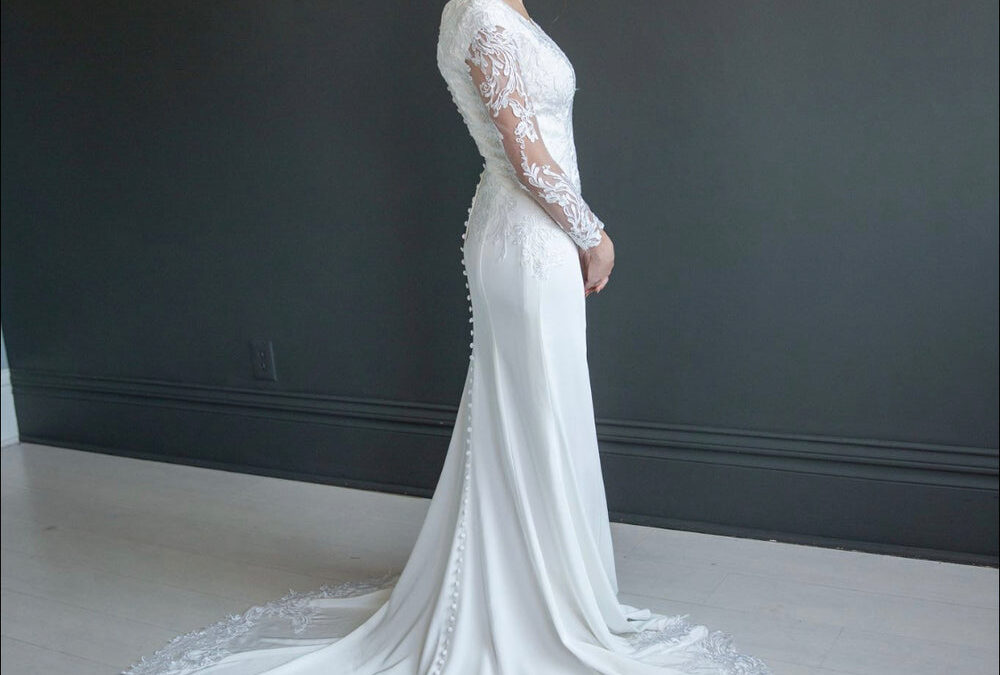
Barbie Anne and I had been troubleshooting her fitted long sleeves — beautiful on the hanger, but restrictive the moment a bride actually needed to move her arm. If you’ve ever fit a narrow sleeve on a fitted bodice, you already know this headache. It’s one of the most common head-scratchers in our industry, and most of us have learned to add gussets.
The Conversation That Changed Everything
While I was talking through the issue at Market, a bridal shop owner named Michelle grabbed a piece of paper and sketched out a pattern adjustment I had genuinely never seen before. Instead of adding a gusset as a separate insert — which is the traditional fix — she showed me how to integrate the gusset directly into the sleeve pattern itself. No separate piece. No extra seam. Just built right in.
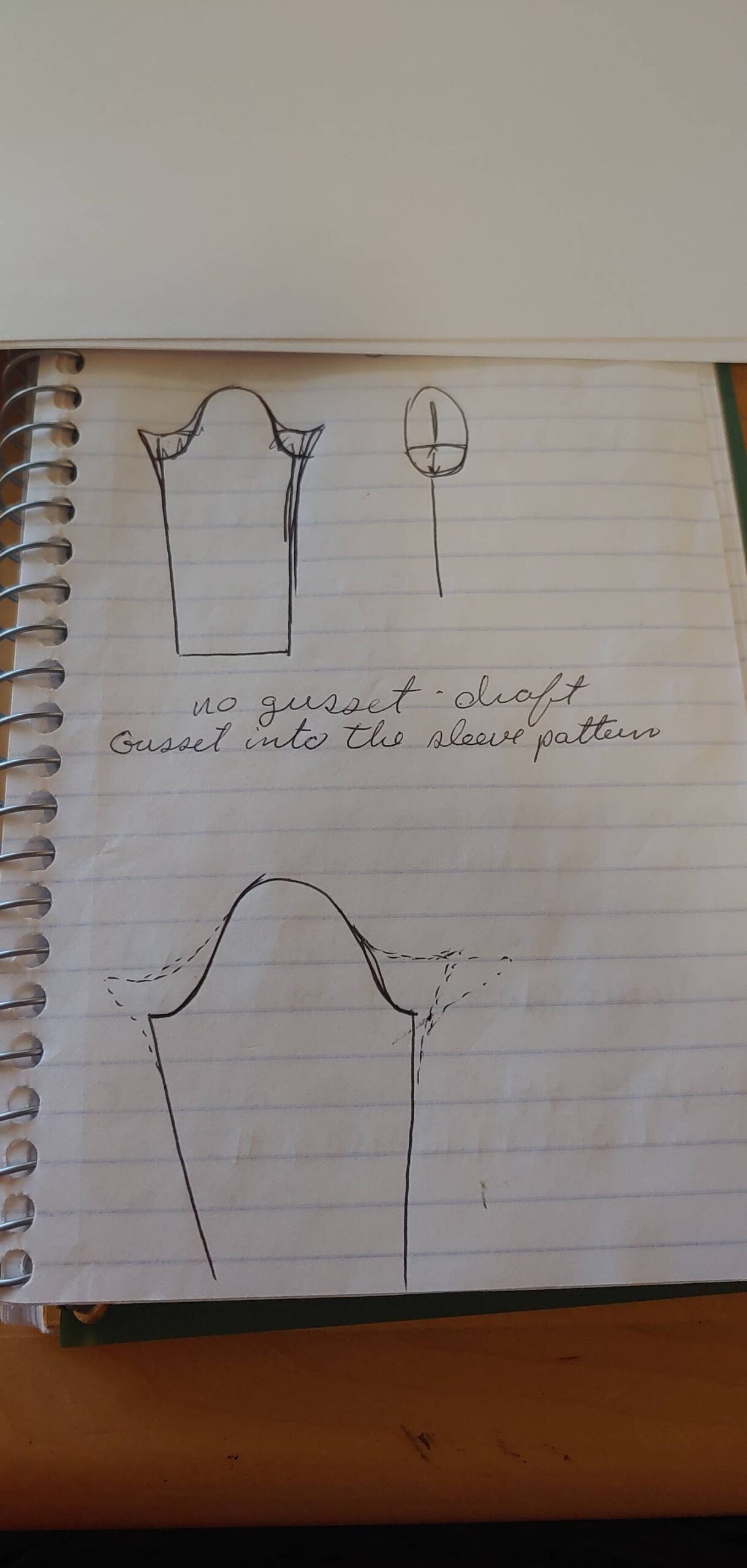
It’s one of those ideas that’s so simple once you see it, you can’t believe you hadn’t thought of it yourself. I knew immediately I had to test it.
Here’s a funny little side note. The box with Barbie’s dresses that had my corsets inserted in them and all of my demo corsets didn’t actually arrive at Market until halfway through the show — which meant I spent much of market without my corset conversations to keep me busy. Sigh… But I’ve come to believe things happen for a reason, because it left me open and unhurried enough to really sit with this shop owner’s sketch instead of rushing past it. If that box had arrived on time, I’m not sure I would have had the bandwidth to receive what turned out to be such a huge gift.
Testing It Myself
The very next morning, I sat down and built a small mock-up of the sleeve using her sketch as my guide. From there, I brought it straight to Barbie’s factory owners so we could refine it properly and get it dress-ready.
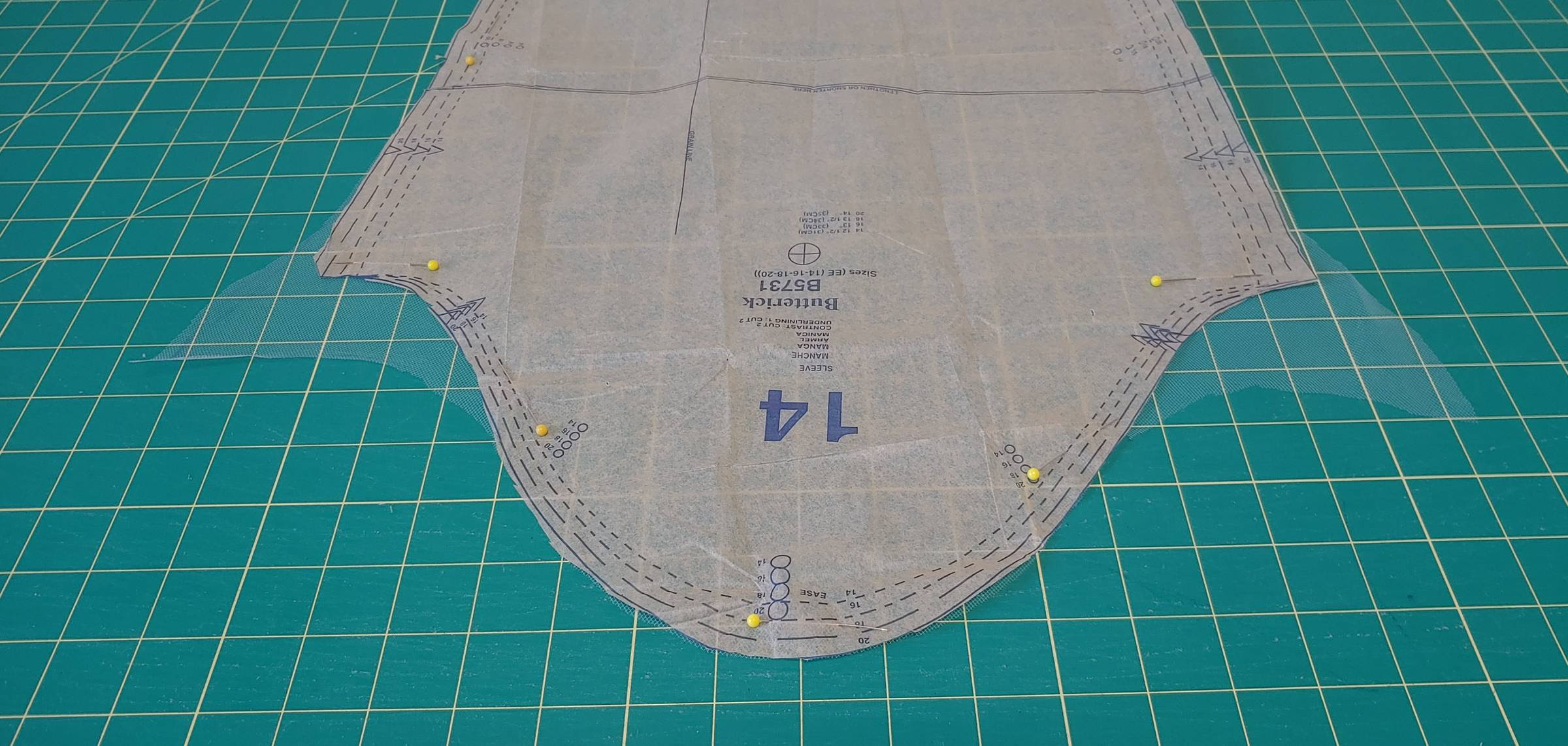
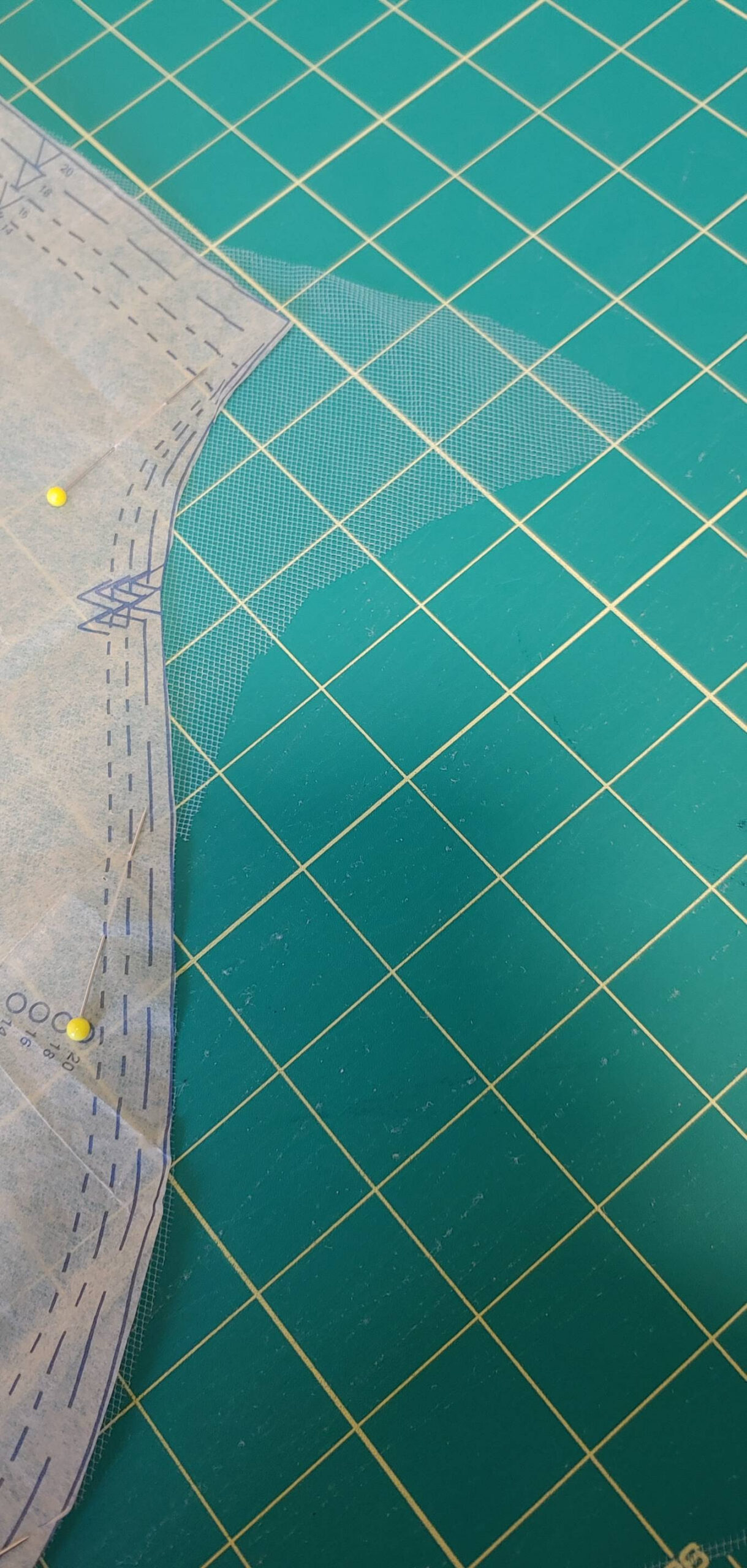
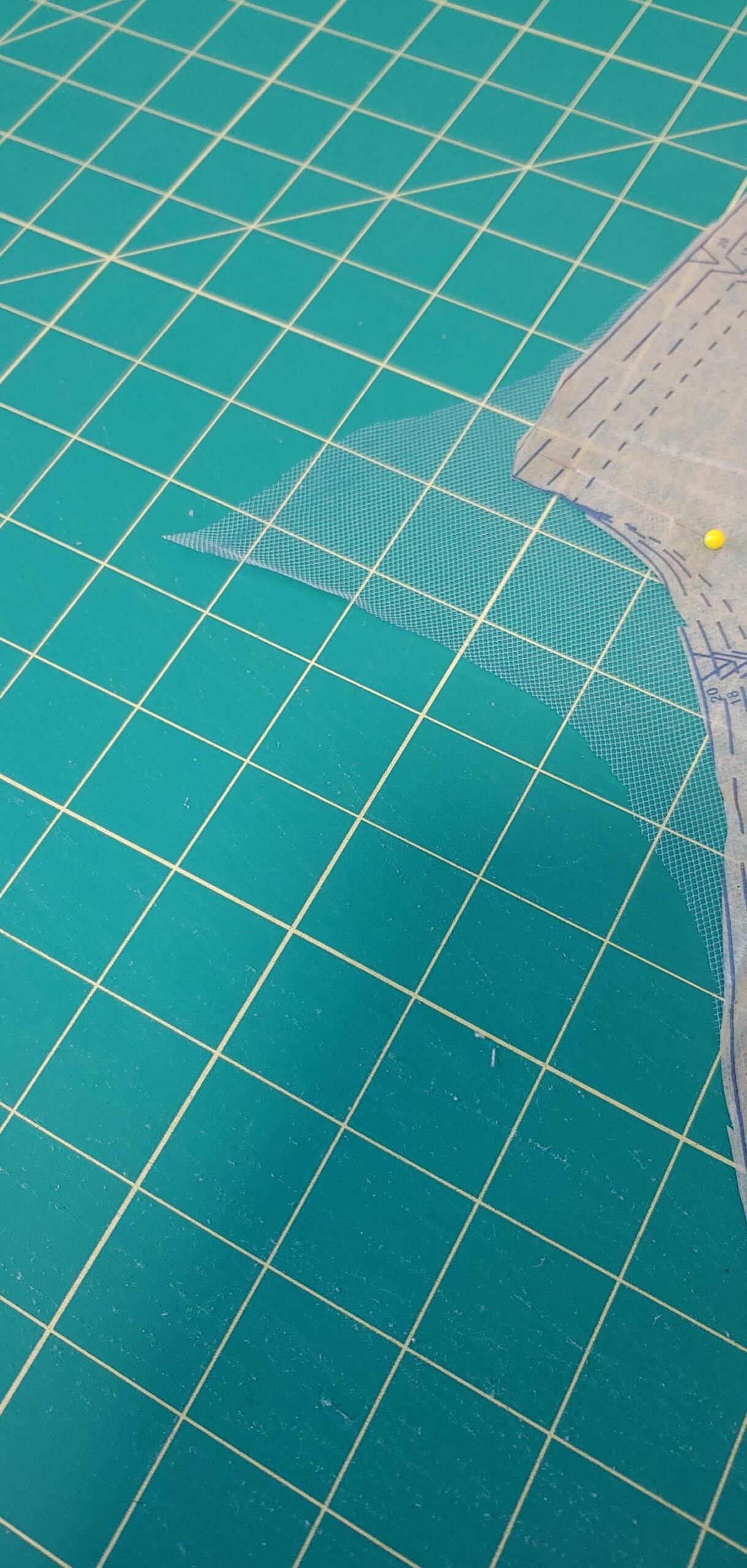
While I was at it, I also sent the factory my own notes on raising the armscyes on both the bodice front and back.
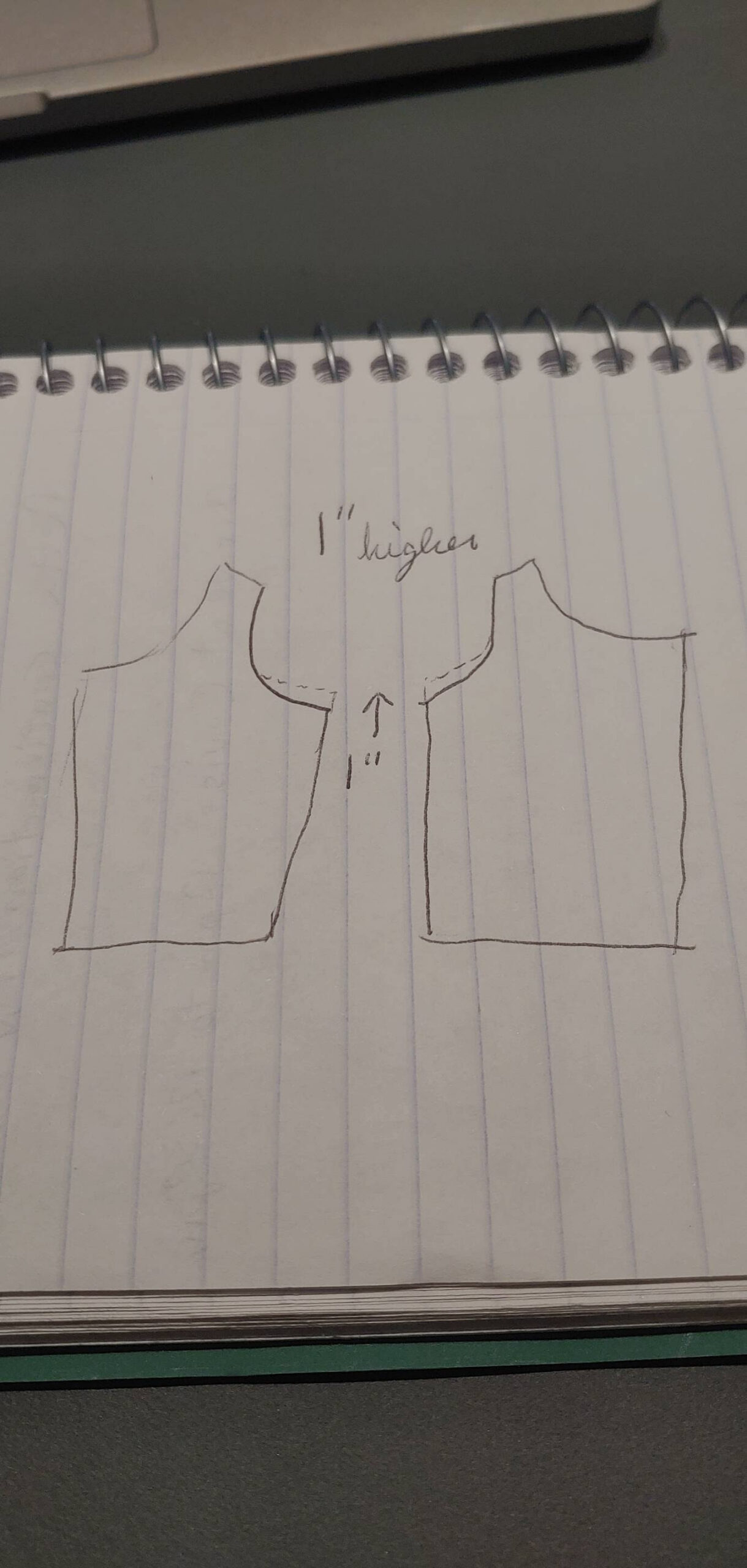
Here’s why that matters, and it’s the piece of the puzzle I really want you to walk away understanding:
The Geometry Behind the Fix
The basic principle is this — the closer your armscye sits to the underarm, the more natural motion you’ll get out of a fitted sleeve. Your underarm is essentially the “hinge point” for arm movement, and the further your armscye sits from that hinge, the more restricted the sleeve will feel, no matter how well it’s sewn.
A properly integrated gusset raises the effective armscye closer to that hinge point. And raising the armscye itself — on the bodice front, the bodice back, and the sleeve — accomplishes the same goal from a different angle. Put both changes together, and you get a fitted sleeve that actually allows a bride to lift her arms, hug her mother, and dance at her reception without restriction.
Here’s a key step as you start making these adjustments: measure your original armscye circumference before you touch a thing. As you raise and reshape the armscye, keep checking your new measurement against that original number, and try to land as close to it as you can. This is what keeps you from accidentally making the armscye too tight while you’re chasing better motion — you want to reposition it, not shrink it.
Understanding why a sleeve moves (or doesn’t) is one of the most valuable things you can carry into your fitting room. It’s not just about copying a technique — once you understand the hinge principle, you can diagnose arm motion problems in almost any fitted garment.
A Word of Caution
Here’s something important to keep in mind as you’re working through this adjustment: if you take the armscye in too far, you can compress the axilla — the anatomical term for the underarm — and put pressure on a main artery that runs through it. This can actually cause a bride’s arm to turn blue if the armscye is too tight.
So please be careful here. As you fit, use your fingers to feel around the armscye, and ask your bride directly whether she feels any tightness or restriction around her arm. You and your bride need to work together to find the “sweet spot” — the point where she has full freedom of motion and full comfort, with nothing compressed. Don’t rely on how it looks alone; her feedback in the moment is essential.
Coming Soon
My next newsletter will have much more on the inner corsets I’ve been developing for Barbie’s dresses, plus a special announcement about the 2027 Symposium. So stay tuned for that.
Your Turn
I know I’m not the only one who has lost sleep over a stubborn fitted sleeve. I’d love to hear your own sleeve frustration stories — the dress that fought you, the fix you finally landed on, or the one that’s still haunting you. Just hit reply and tell me about it. I read every single one, and who knows, your story might just end up helping a fellow seamstress in a future newsletter.
Bye bye,
Dee Dee Anderson Founder
Anderson Bridal Alterations Academy
Already Know How to Sew?
Bridal alterations is a specialized career most sewists never realize exists.
The Anderson Academy provides professional bridal alterations education for sewists who are ready to develop specialized skills, serve brides with confidence, and build a career around their craft.